

More youth-led collaboration in the North Atlantic
Remote? I feel like the Faroe Islands are very much walking towards the future and in some ways are already succeeding.
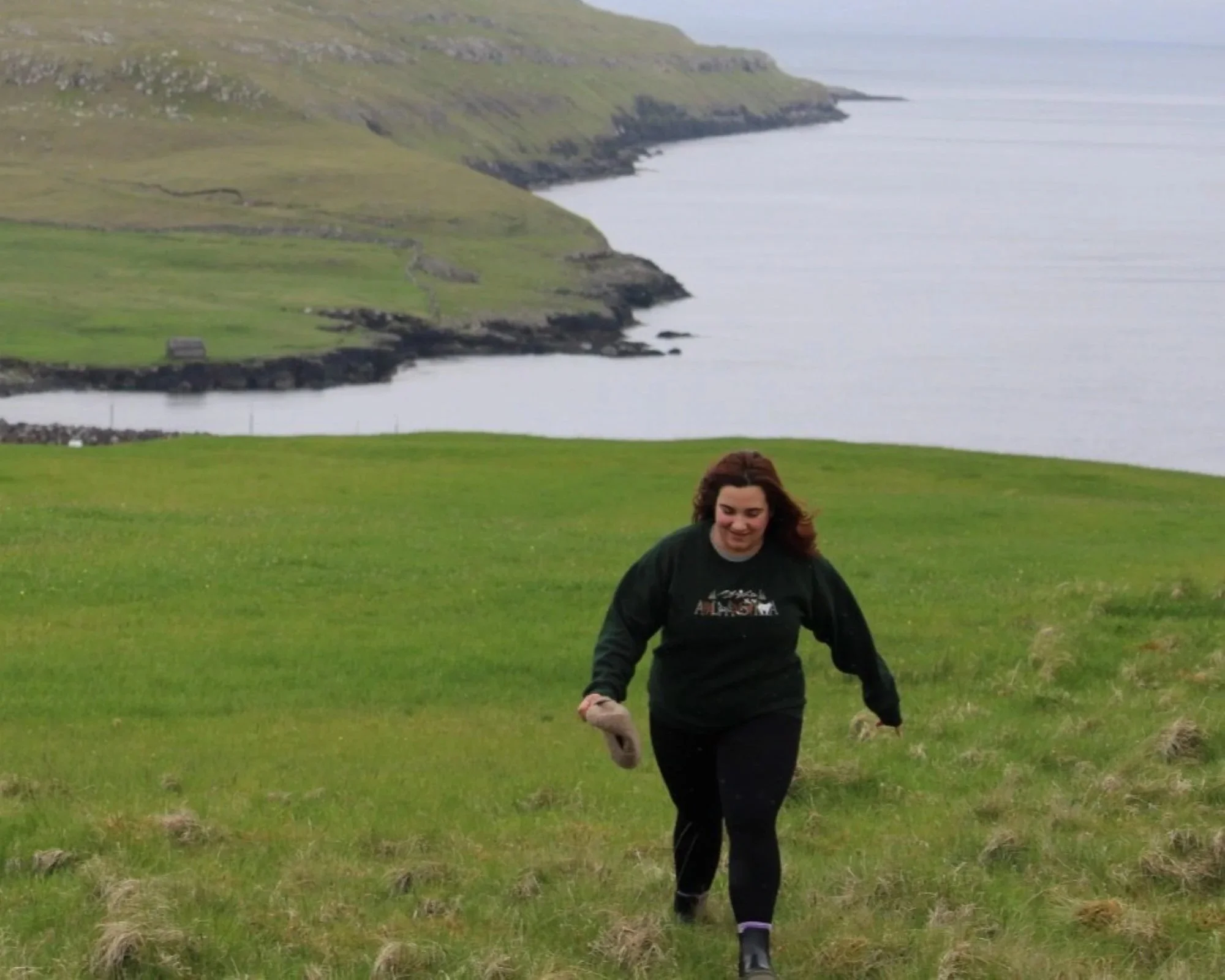
Coolcation destination: Refreshing, cool air and raindrops on your nose. Travellers are flocking to the Faroes and other northern countries.
By: Sara Cordesco
As part of the Northern Futures Hub journey with Folke, we explored nature, met local people, and discussed challenges and opportunities facing communities in the North Atlantic. One topic that stayed with me was voluntourism.
At first glance, voluntourism sounds like an obvious win-win situation. People travel, help local communities, learn new skills, and return home with meaningful experiences. However, our discussions encouraged us to examine the concept more critically. We reflected on who truly benefits from these initiatives, who has the authority to define what kind of help is needed, and whether visitors create lasting value or simply add another experience to their travels.
Preservation and community wellbeing
These conversations led us toward the idea of regenerative tourism. Unlike sustainable tourism, which often focuses on reducing harm, regenerative tourism aims to create a positive impact and leave a place stronger than it was before. Tourism is often evaluated through visitor numbers, hotel stays, and economic growth, but our discussions challenged us to think beyond this.
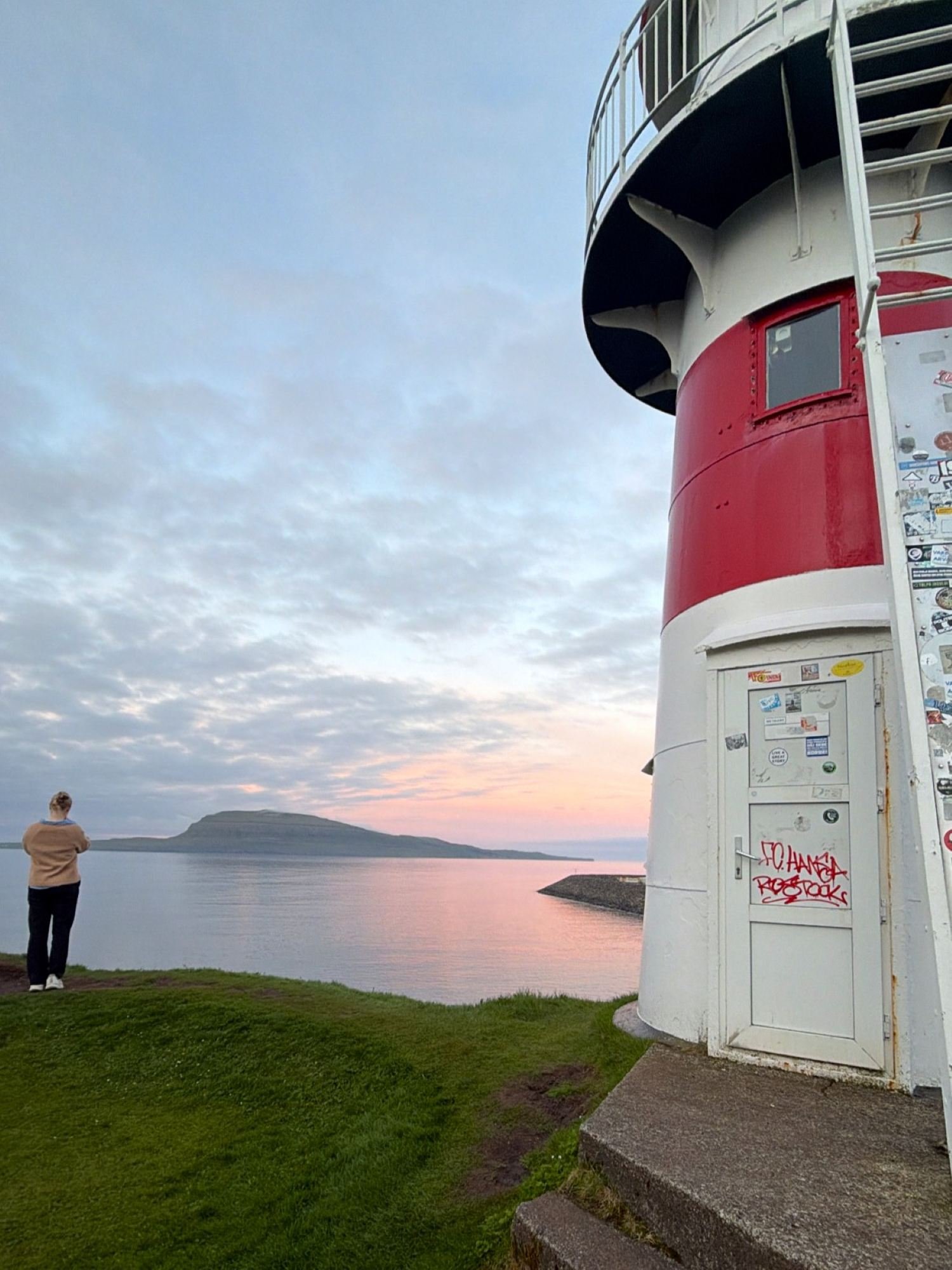
We considered the value of ecological restoration, cultural preservation, and community wellbeing, as well as the possibility of tourism becoming a meaningful exchange rather than a purely economic transaction.
My stay in Tórshavn and the workshop made me reflect deeply on these ideas.
As someone living in Tromsø, which has lately been affected by overtourism, it was important for me to engage in this discussion and think about how we can apply these concepts on tourism here. I believe that tourism is extremely important for the economic sustainment of this area, but we urgently need some changes.
As a young person, I often hear conversations about climate anxiety, technological disruption, and global uncertainty.
These concerns are real, but the stay in the Faroes reminded me that the future is not only something that happens to us. It is something we actively create through the choices we make today. The workshop discussions reinforced this idea. Rather than focusing only on problems, we explored possibilities. We imagined new forms of volunteering, new models of tourism, and stronger connections between communities across Tromsø, the Faroe Islands, and Iceland.
Long-term collaboration
One idea that particularly inspired me was the possibility of creating long-term exchanges rather than short-term visits. Instead of people arriving as temporary guests, they could become contributors, learners, and collaborators.
Young people from different regions could work together on environmental projects, cultural initiatives, or community development efforts that continue long after the trip ends. This also connects to another theme we discussed: ageism.
Young people are often told they are the future but are not always invited to shape it. At the same time, older generations possess knowledge and experience that are sometimes overlooked in changing societies. If we are serious about building resilient communities, we need both perspectives. The future will not be built by one generation alone.
It starts with relationships
Perhaps one of the most valuable lessons was the reminder that innovation is not always about technology. Sometimes innovation means rethinking relationships between visitors and hosts, between generations, and between people and nature. The opportunity that Folke gave me was not only to take part in stimulating and meaningful conversations, but to actually experience nature and observe what we have been talking about.
One of the highlights of the trip for me was visiting Nólsoy. After taking the ferry from Tórshavn, we spent the day walking through the green hills and exploring the island. The landscape almost didn't look real at times.
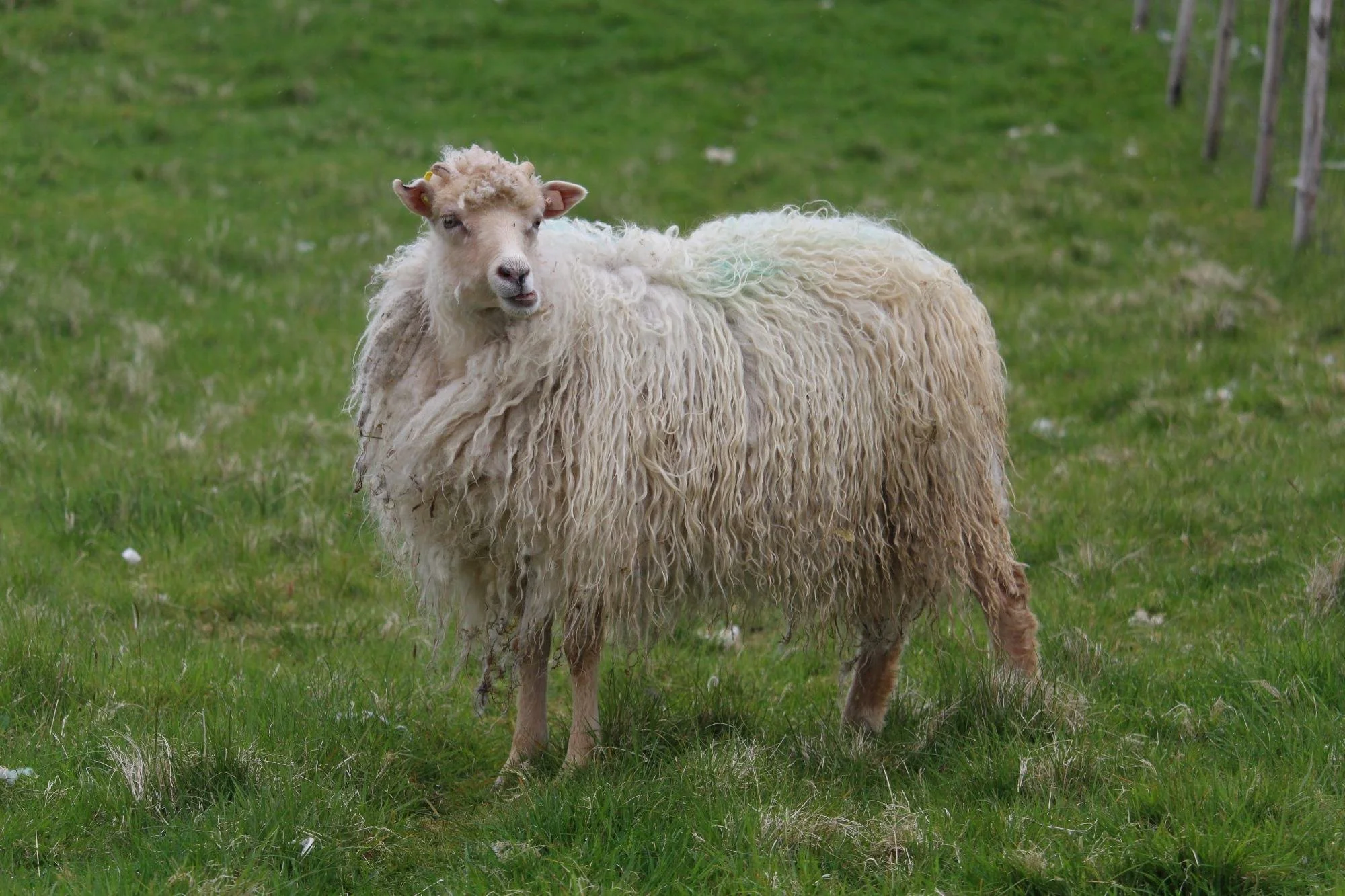
Everywhere you looked there were mountains, the ocean, and sheep. Lots of sheep.
One thing I noticed was how much wool was stuck everywhere.
During the workshop we talked about wool, local resources, and how communities can create value from things they already have. Then, a few hours later, we were hiking and seeing pieces of wool hanging from fences, bushes and even rocks. It was funny because after all those discussions, suddenly I couldn't stop noticing it. The sheep seemed completely unbothered by us. We were taking photos and admiring the view, while they just continued eating grass like we didn't exist. What I liked most about Nólsoy was that it felt simple and genuine. There weren't crowds of tourists or big attractions. It was just nature, small houses, local life, and incredible views.
How we can benefit the places we visit
Walking through the hills gave us time to talk, think and reflect on the topics from the workshops. Being there also made our discussions about regenerative tourism feel more real. Before the trip, those words sounded quite theoretical to me. But when you are standing in a place like Nólsoy, you start to understand why they matter. Places like this are special because of their nature, culture and local communities.
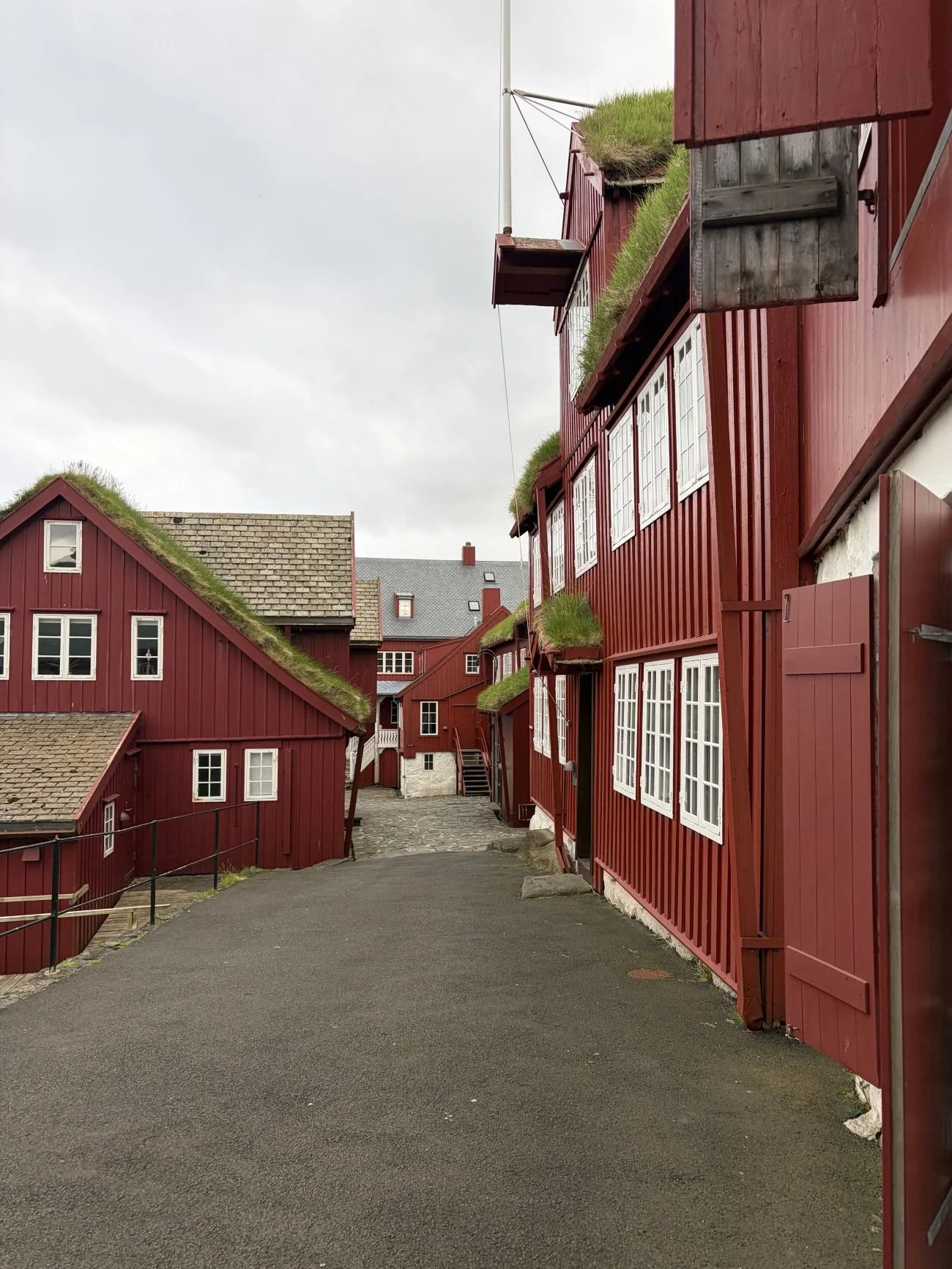
Tourism should not just be about people coming to see these places.
It should also be about giving something back and helping preserve what makes them unique in the first place.
That's one of the things I will remember most from the Faroes. The workshops gave us ideas and concepts, but being out in nature helped connect it to reality. I am very grateful to be part of this journey, because it gave me more tools and ideas to think about our future and how to make it better.
I don't know what the future will look like, but what I do know is that with an open mind, curiosity, and a willingness to learn from others, we have a much better chance of creating positive change. This trip reminded me that even small conversations, new perspectives, and connections between people can be the starting point for something bigger.